
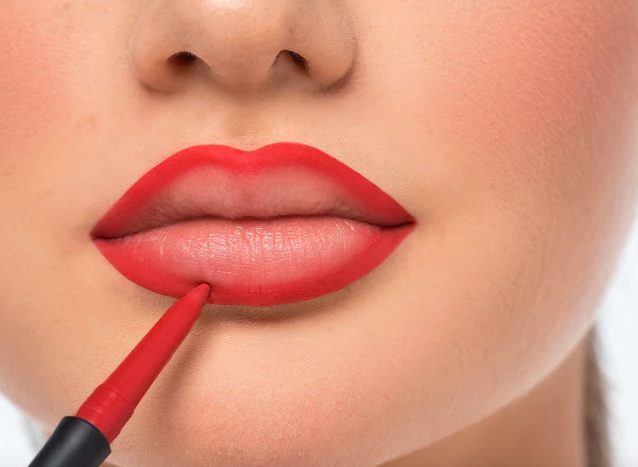
A new study from the University of Sydney has found that lip size significantly affects how people perceive facial attractiveness, with clear gender-based differences. Overall, slightly plumper lips were rated most attractive on female faces and slightly thinner lips on male faces. When broken down by gender, women preferred plumper lips on female faces, while men showed a preference for natural lip sizes. These results suggest that attractiveness judgments are strongly shaped by the observer’s gender.
The researchers also discovered a powerful visual adaptation effect. Participants who were exposed to faces with either plumper or thinner lips were more likely to rate similar lips as attractive in later images. Even when lips were shown in isolation, without the full face, exposure still shifted attractiveness ratings. This finding indicates that the brain encodes lip size as an independent feature, separate from overall facial structure.
Professor David Alais, who led the study, noted that these results highlight the cultural and social influences behind beauty standards. With cosmetic procedures like lip augmentation becoming increasingly popular, repeated exposure to altered lips could drive shifts in what people consider attractive. The study warns this may contribute to “lip dysmorphia,” where beauty ideals become distorted toward plumper lips, raising concerns about body image and unrealistic standards.
Conducted with Associate Professor Jessica Taubert at the University of Queensland, the study involved 32 participants (16 male, 16 female) who viewed 168 digitally manipulated faces with seven different lip sizes. Published in Proceedings of the Royal Society B, the research suggests that both immediate exposure and cultural conditioning shape perceptions of beauty. Future studies will investigate how long-term adaptation to cosmetic alterations may reinforce shifting beauty norms and affect self-image.